PROJECTS & CULTURAL INITIATIVES
Patricio Orozco develops cultural projects that bring together performance, history, literature, education and public space.
Created across different places and contexts, his work ranges from temporary theatres and festivals to nationwide educational programmes, heritage initiatives and projects centred on dialogue and cultural exchange. Across them is a continuing interest in how culture can transform places, engage communities and create new ways for people to encounter stories, ideas and one another.
ENCUENTRO POR LA PAZ — ENCOUNTER FOR PEACE
South Atlantic, 2002
Created twenty years after the 1982 conflict between Argentina and the United Kingdom in the South Atlantic, Encounter for Peace was an educational initiative designed to encourage young people to think about conflict, dialogue and the importance of resolving differences through peaceful means.
Developed with students from schools in the City and Province of Buenos Aires, the project sought to build a bridge with the community of the Islands and open a space for understanding beyond the divisions left by the conflict.
As part of the initiative, Orozco travelled to the South Atlantic, establishing connections and exploring possibilities for dialogue between communities separated by a difficult shared history.
Rather than revisiting competing political positions, Encounter for Peace looked towards a new generation and the possibility of approaching disagreement through education, dialogue and mutual understanding.
Buenos Aires, from 2013
Teatro Shakespeare was an Elizabethan-inspired temporary theatre conceived and created for Buenos Aires, bringing Shakespearean performance into the public life of the city.
Designed as a mobile cultural space, the theatre was installed in different neighbourhoods across successive seasons, allowing each location to become part of the project and creating new relationships between performance, audiences and the surrounding community.
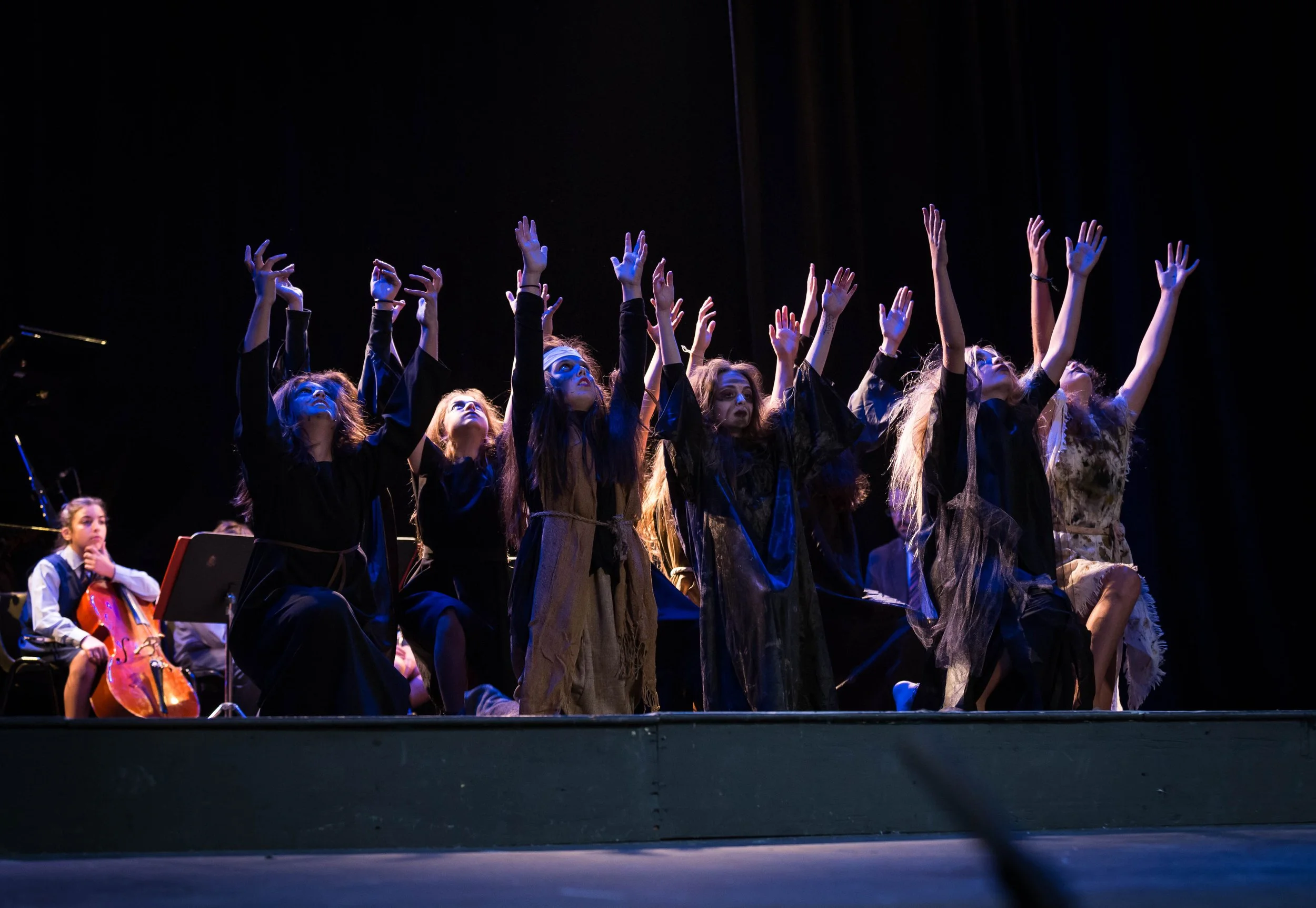
Its programme included productions of Richard III and Antony and Cleopatra, alongside arts workshops, educational activities and opportunities for participation and exchange with local communities.
Inspired by the architecture and communal experience of early modern playhouses, Teatro Shakespeare explored how a historic theatrical form could be reimagined as a contemporary cultural space: accessible, adaptable and capable of responding to different places and audiences.
The project demonstrated how temporary cultural infrastructure can extend beyond performance itself, combining artistic programming, education and community engagement while creating a distinctive cultural identity within each location it inhabits.
Nationwide educational programme, Argentina — since 2015
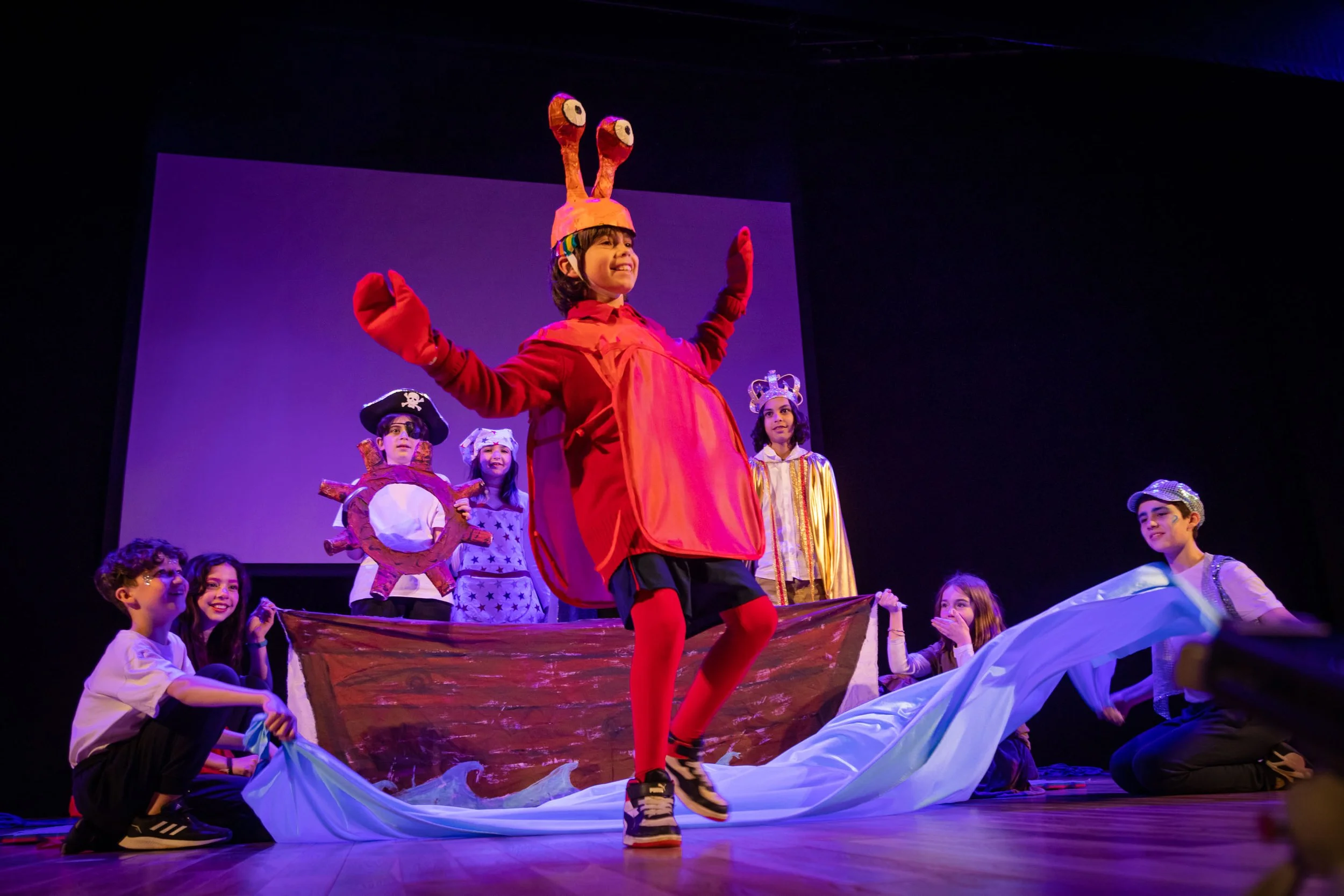
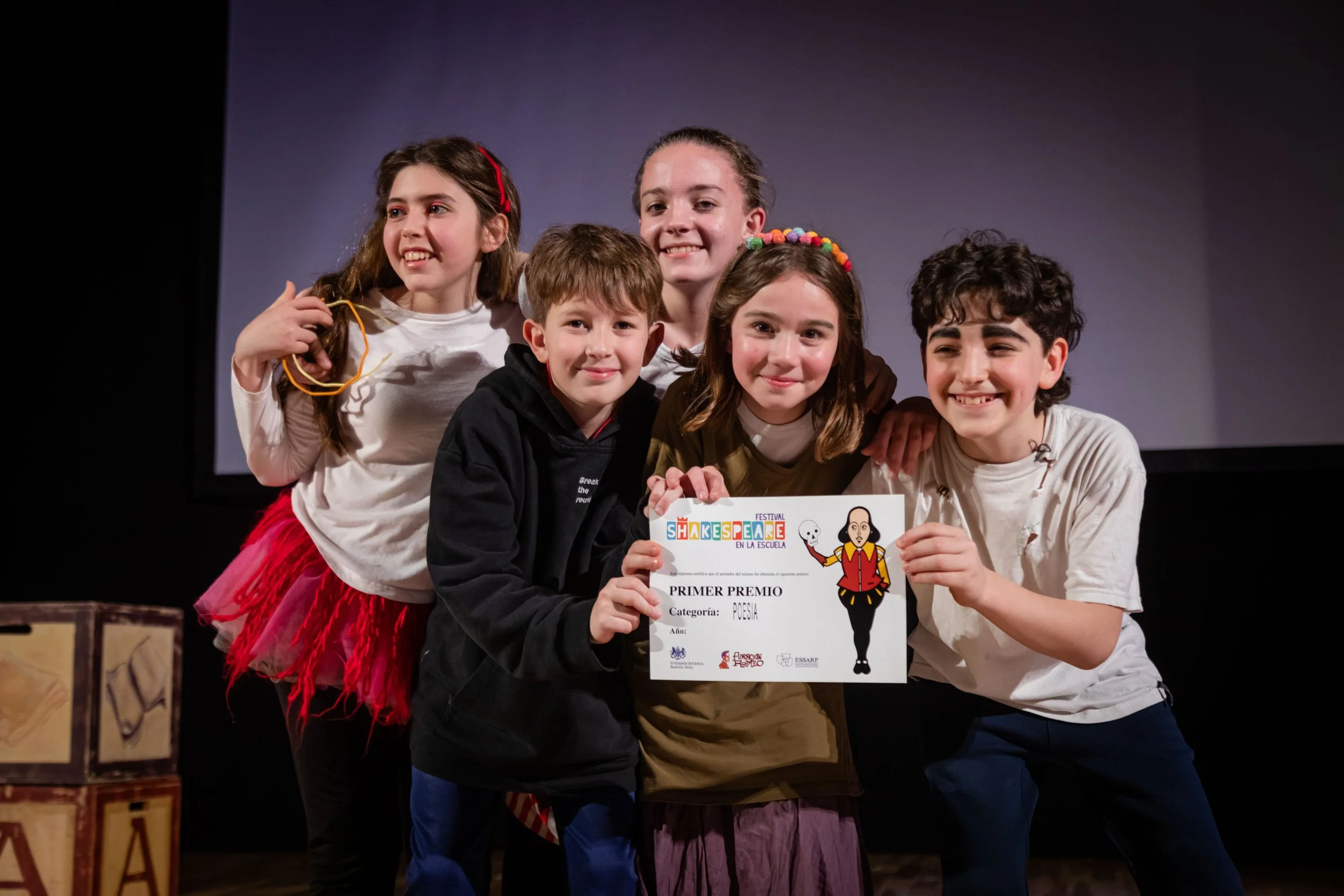
Created in 2015, Shakespeare en la Escuela is an educational programme designed to give young people from different social and geographical backgrounds the opportunity to encounter Shakespeare through artistic creation, participation and play.
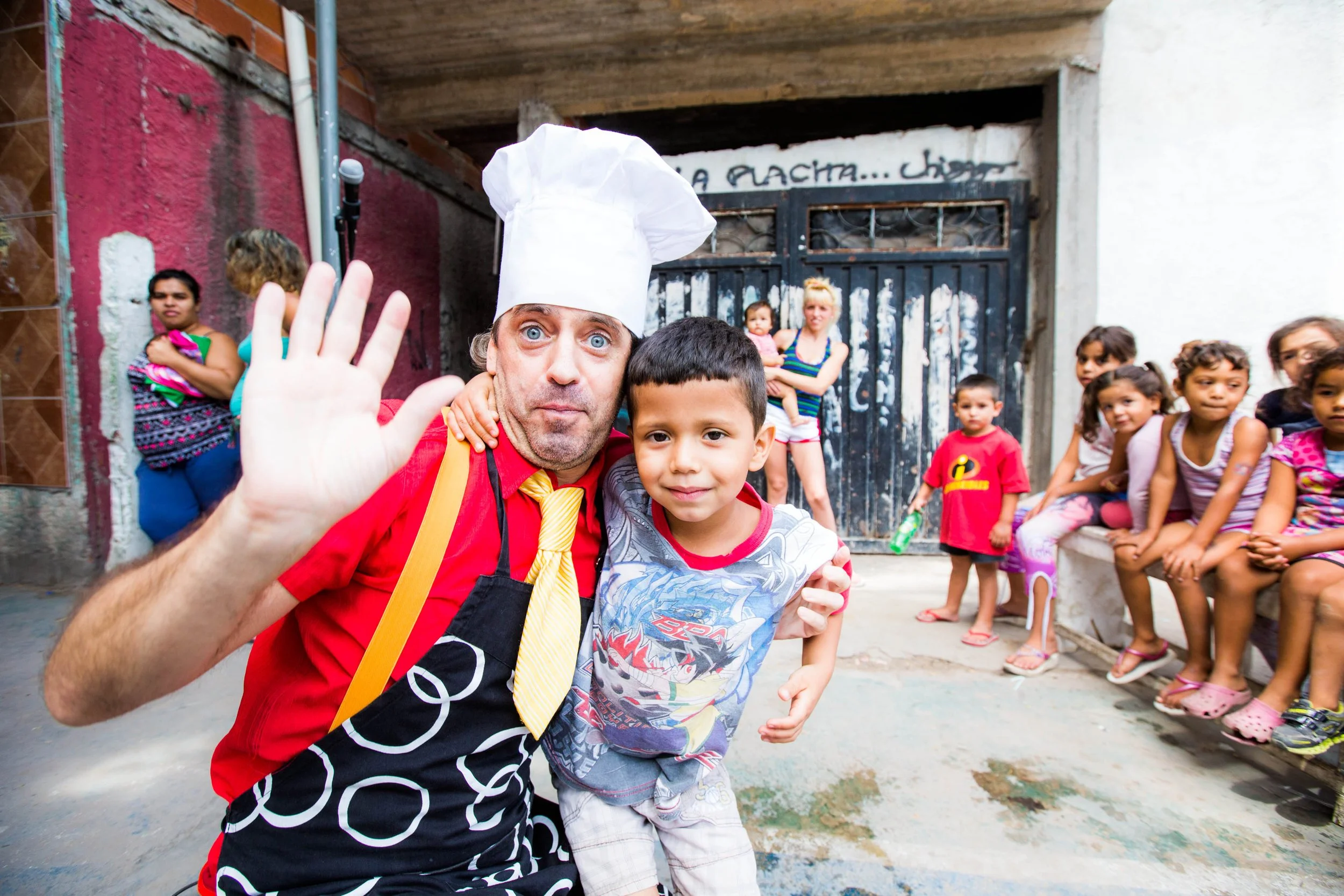
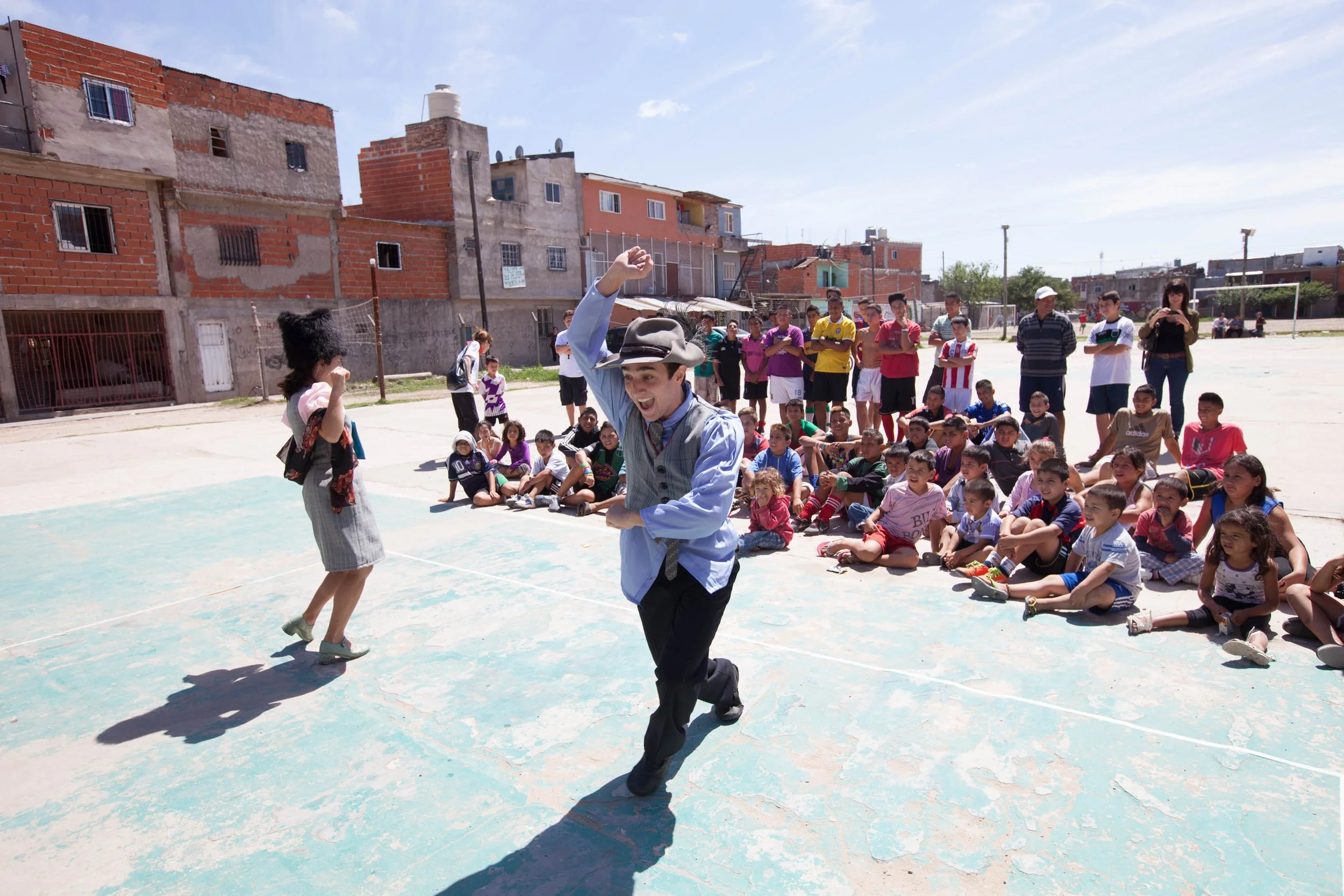
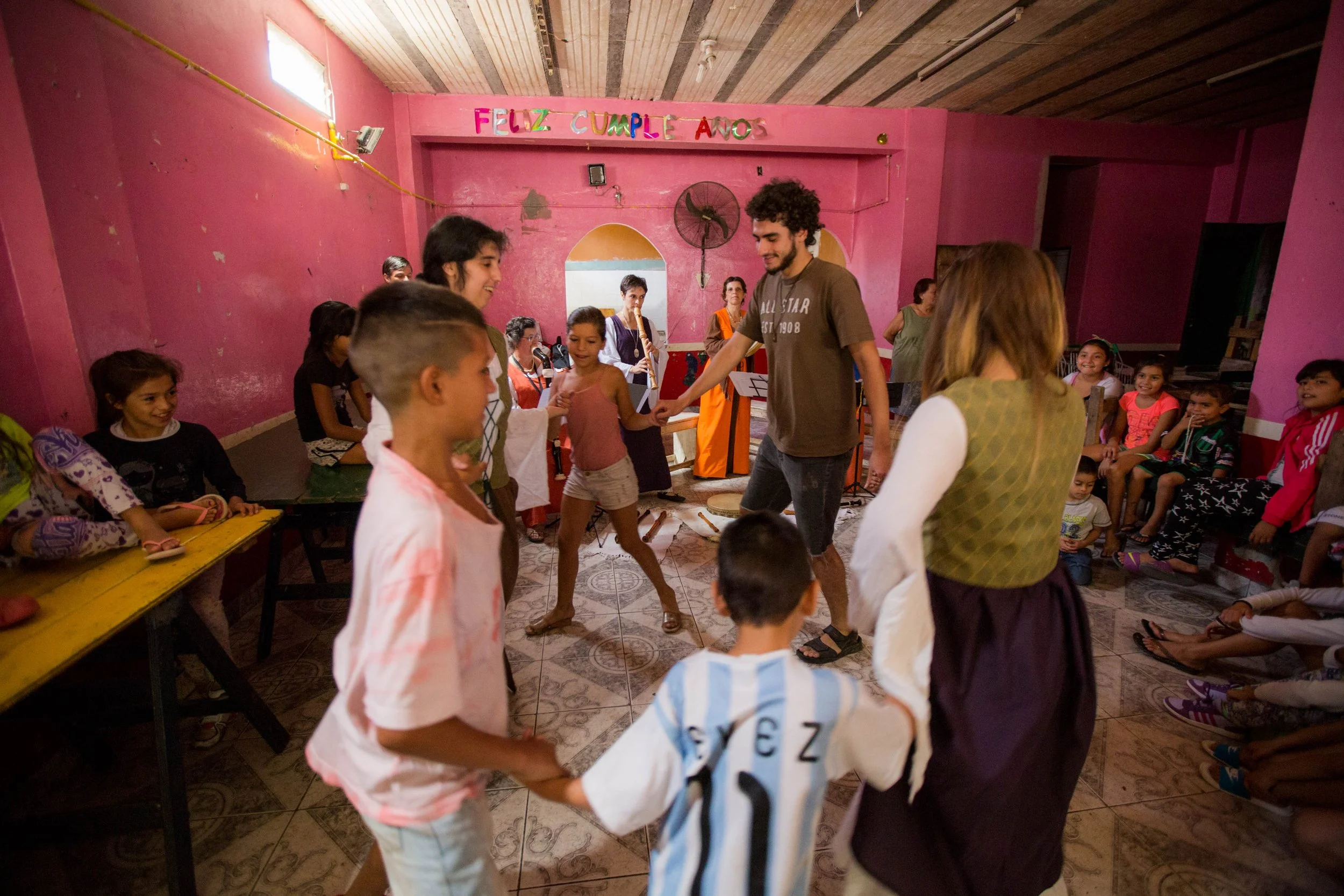
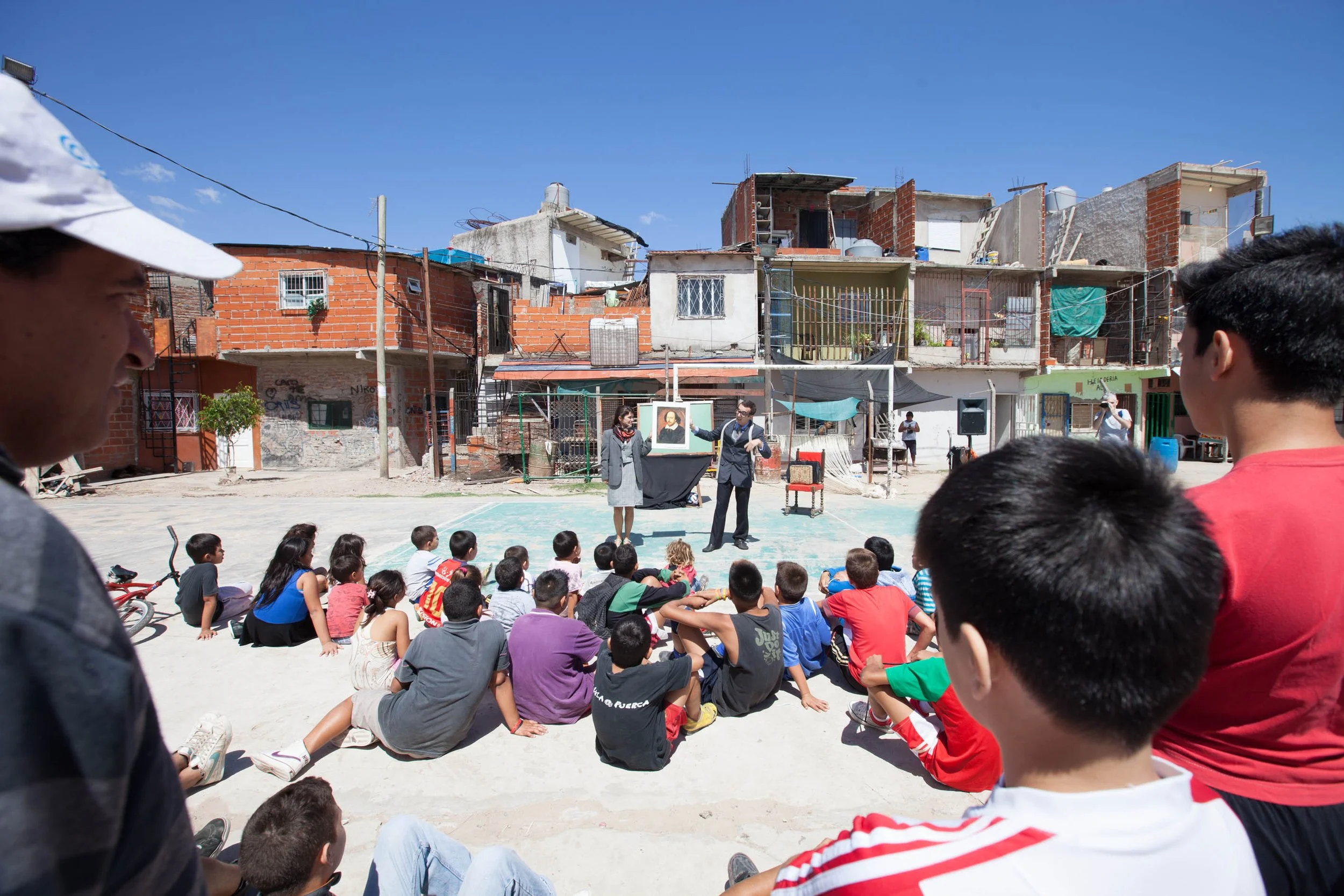
From its earliest editions, the programme sought to take Shakespeare beyond conventional cultural and educational settings. Initiatives were developed in underserved communities in Buenos Aires, including Ciudad Oculta, where theatre was combined with familiar forms of participation such as football — transforming, for example, the rivalry between the Montagues and Capulets in Romeo and Juliet into a shared theatrical and sporting experience.
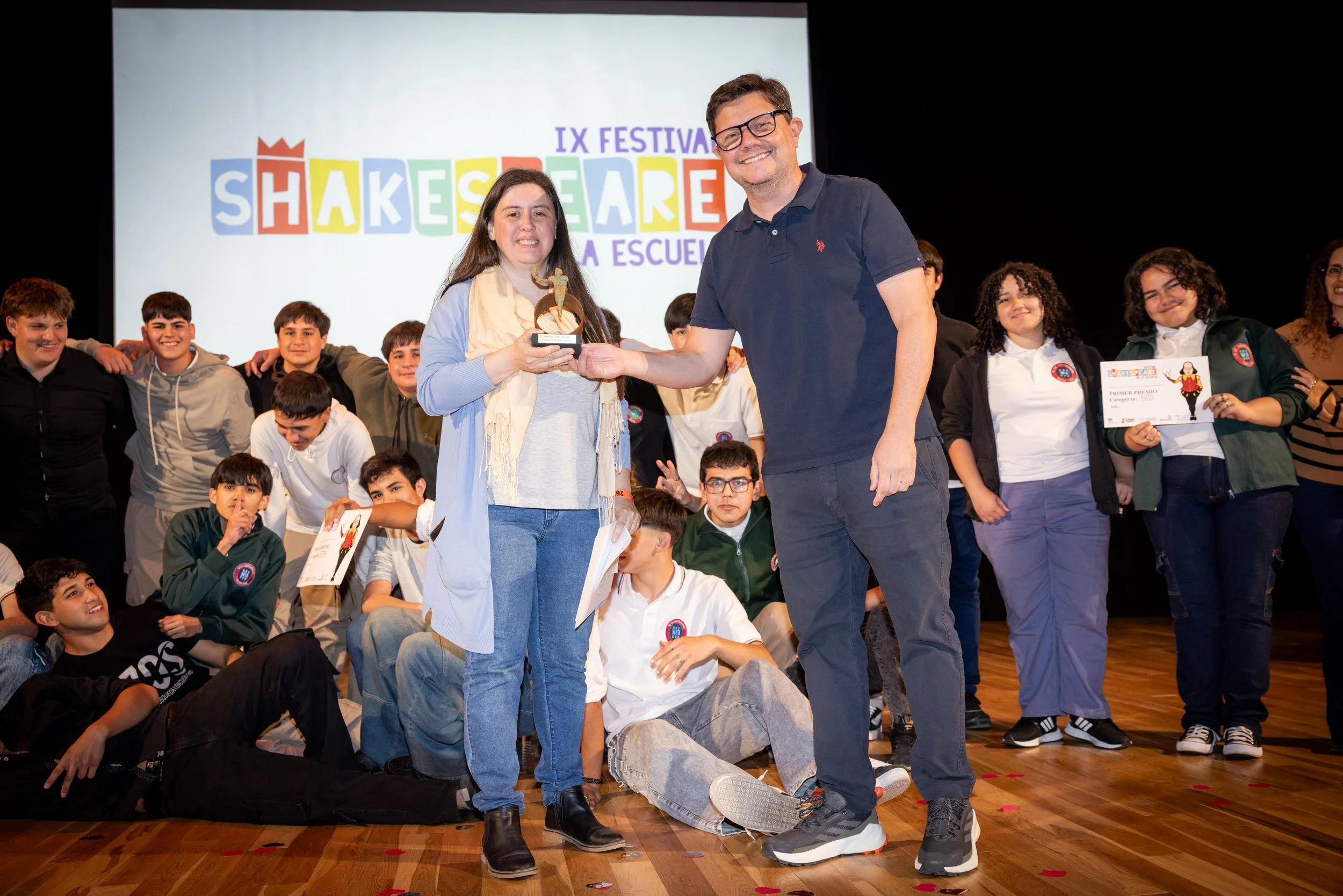
Over the following decade, the programme expanded to involve primary and secondary schools across Argentina. In its tenth-anniversary edition in 2025, 1,190 students registered to participate — almost twice the number involved in its first year.
Students are invited to interpret Shakespeare through six different artistic disciplines, transforming his plays, characters and ideas into creative work of their own. Rather than simply studying Shakespeare, they are encouraged to create, experiment, perform and reflect.
At the heart of the programme is a simple principle: access to cultural heritage should not depend on where a young person lives or on their proximity to traditional cultural institutions. Shakespeare becomes a starting point for creativity, confidence, collaboration and exchange.
After more than a decade, Shakespeare en la Escuela has developed from locally rooted initiatives into a sustainable model of cultural participation with nationwide reach — demonstrating how major cultural works can be adapted to different communities, environments and forms of engagement without diminishing their artistic ambition.
FESTIVAL SHAKESPEARE BUENOS AIRES
Buenos Aires, since 2011
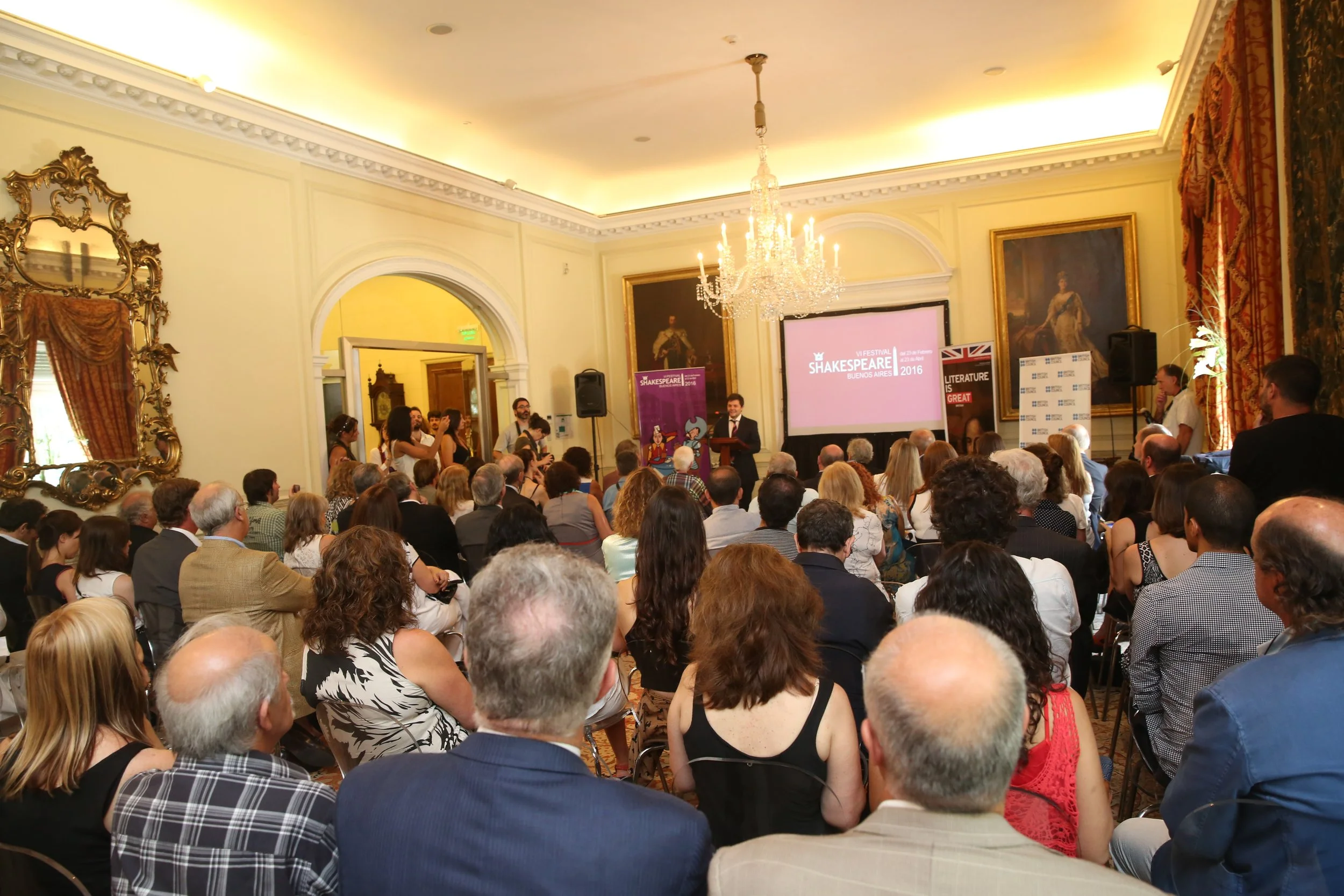
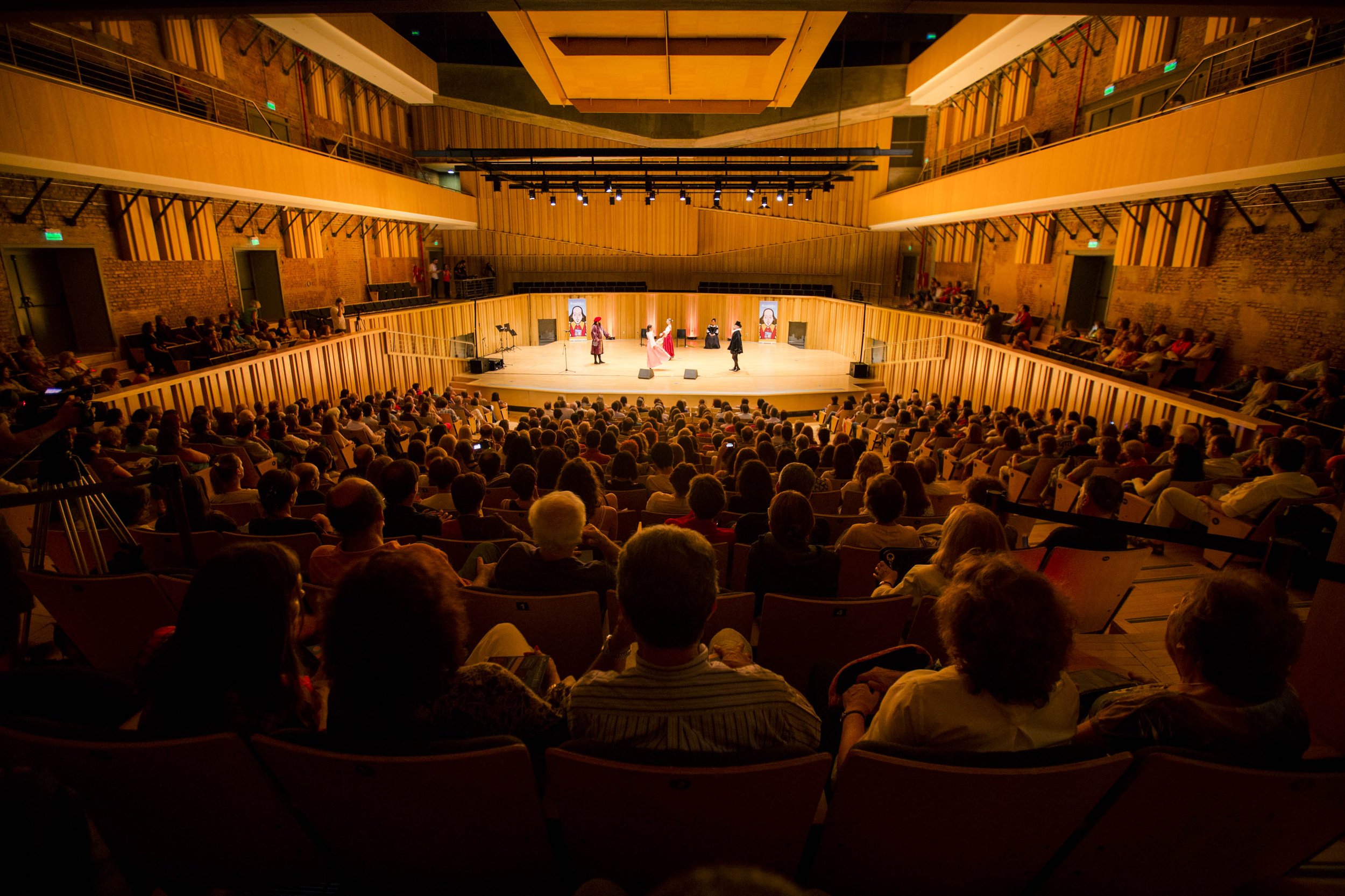
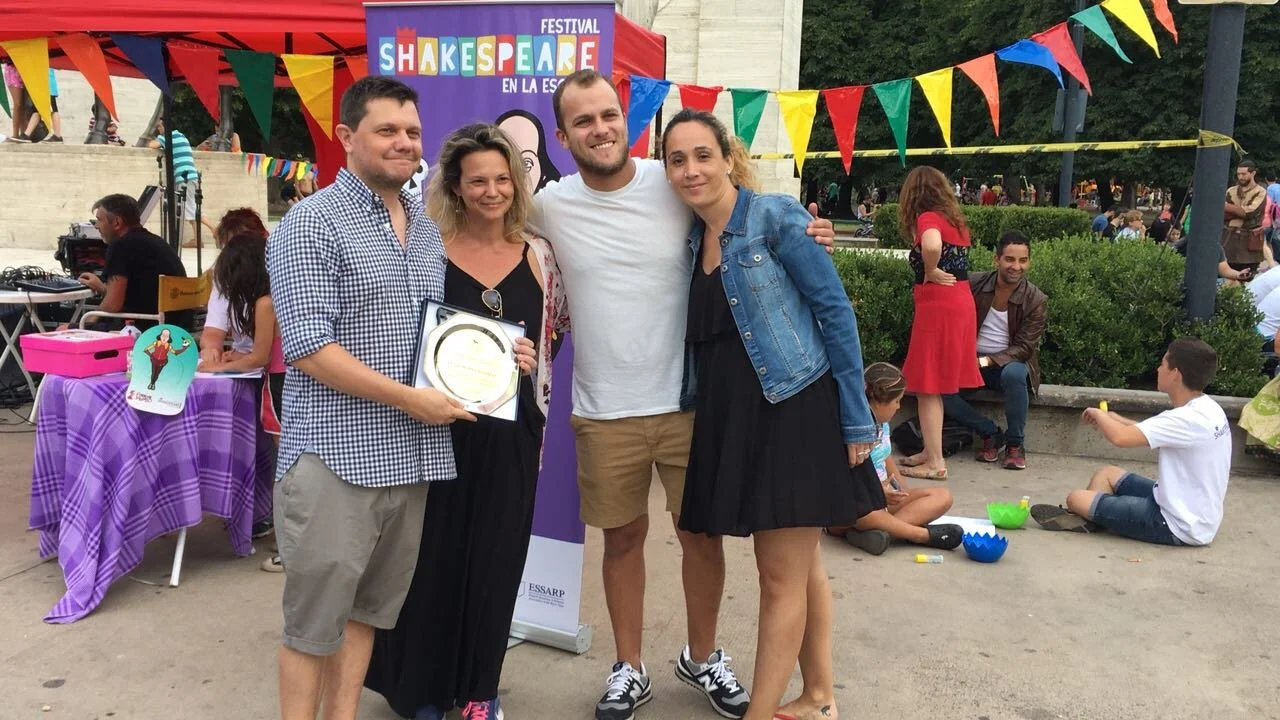
Founded by Orozco in 2011, the Festival Shakespeare Buenos Aires has developed over fifteen editions into a platform for performance, education, experimentation and public engagement with Shakespeare.
Its programmes have brought together theatre, film, workshops, talks, artists and educational initiatives across theatres, cultural institutions, schools and public spaces.
The Festival has established collaborations with artists and organisations in Argentina and internationally, creating opportunities for audiences to encounter Shakespeare beyond conventional theatrical settings and encouraging new interpretations of his work across disciplines and generations.
Over time, it has also provided the framework from which other initiatives have emerged, including Teatro Shakespeare, Shakespeare en la Escuela, the Shakespeare Prize and collaborations with artists, scholars and cultural institutions around the world.
More than a programme of performances, the Festival has become a long-term cultural platform through which projects can be developed, partnerships established and new audiences brought into contact with Shakespeare and contemporary artistic practice.
History, archives and digital heritage
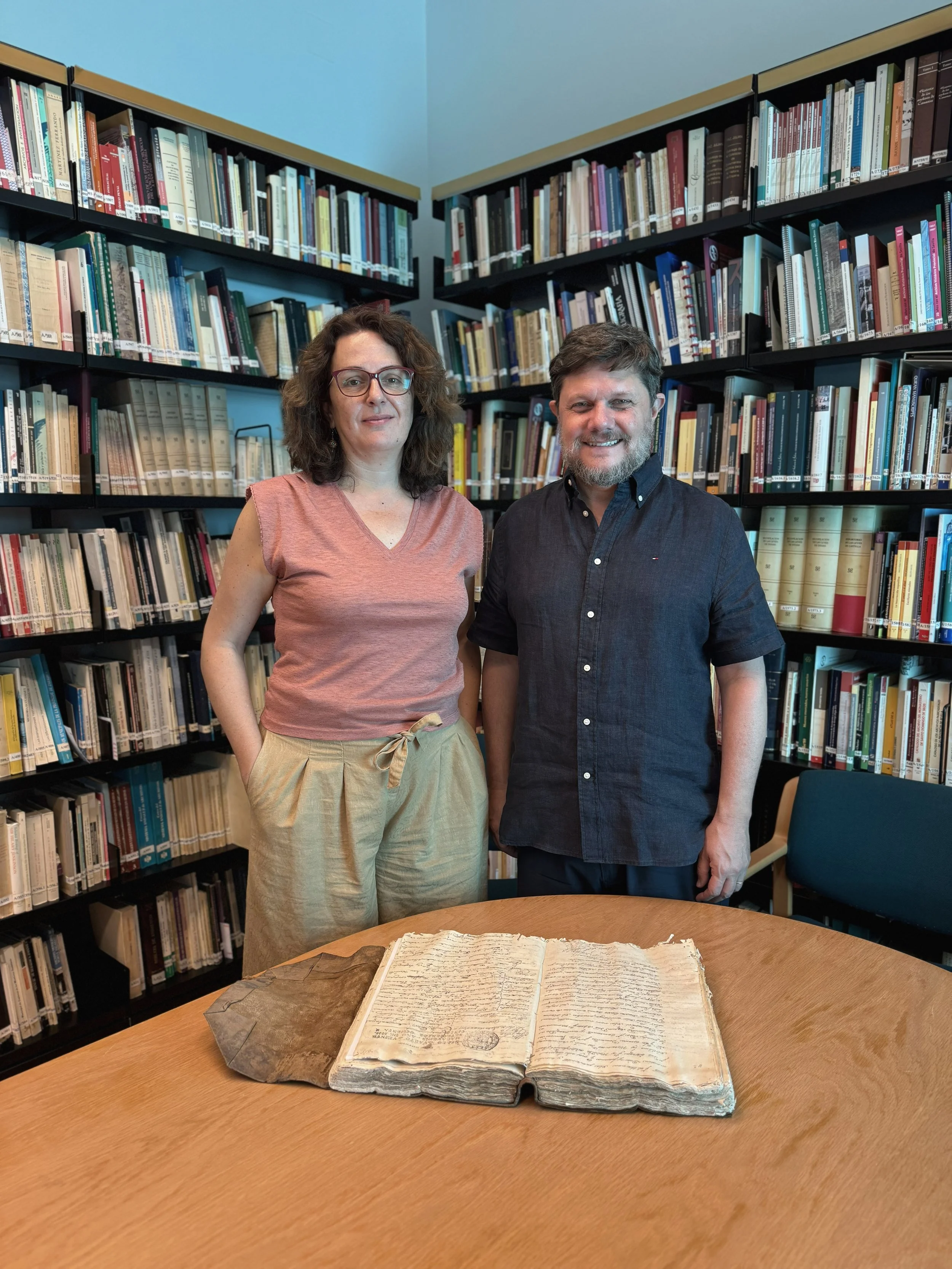
San Martín in Europe explores the European life and legacy of José de San Martín through historical research, archives, architecture, audiovisual work and digital heritage.
The project traces places connected with San Martín and his family across Europe, bringing together documentary research, historic locations and new technologies to uncover and communicate lesser-known aspects of his story.
Its initiatives include archival research, audiovisual documentation and immersive digital reconstructions of historic sites, allowing places and documentary evidence to become part of the way history is experienced and understood.
The project forms part of Orozco’s broader interest in how cultural memory survives through buildings, documents and stories — and how contemporary forms of storytelling can reconnect audiences with the past.
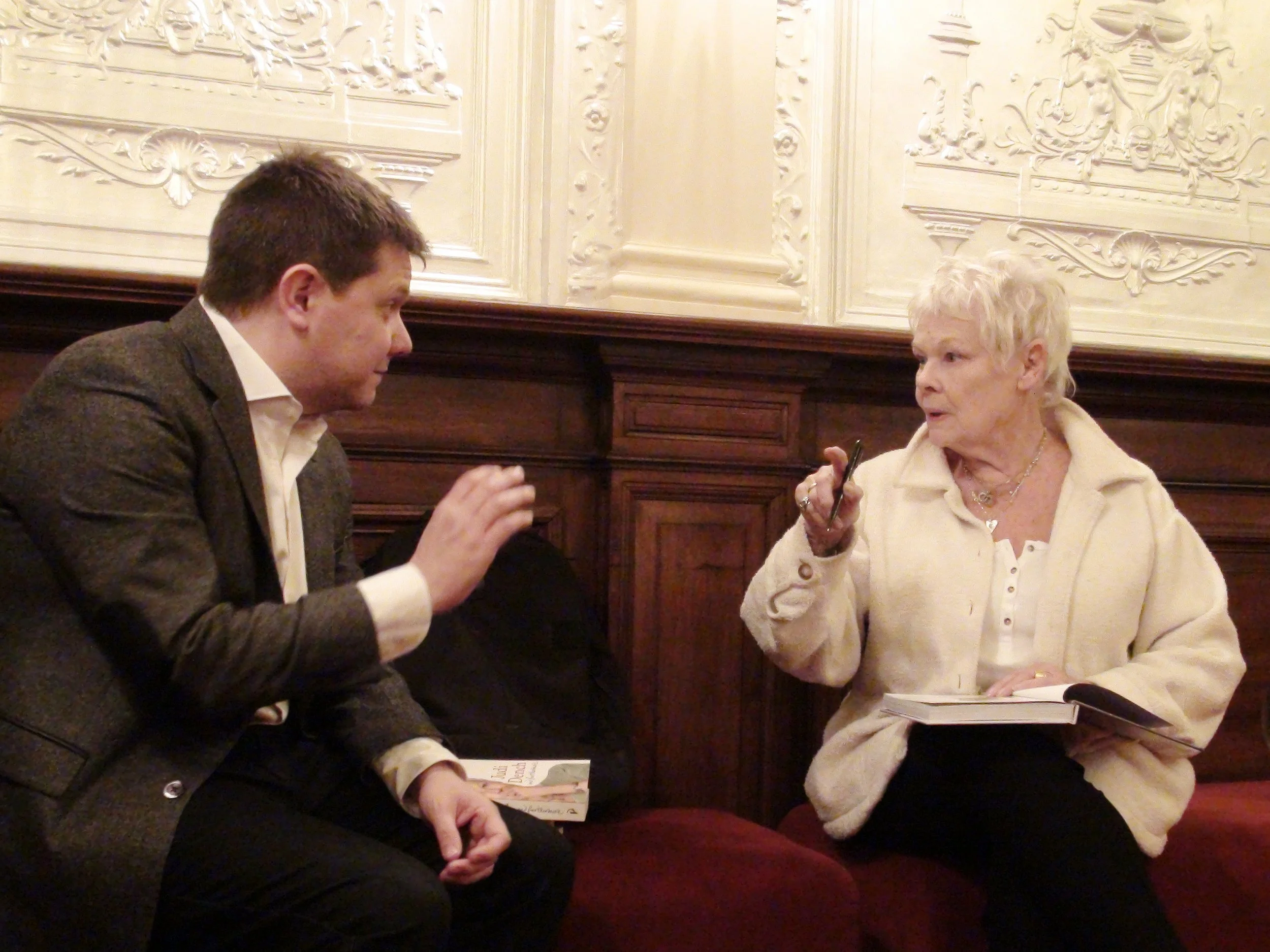
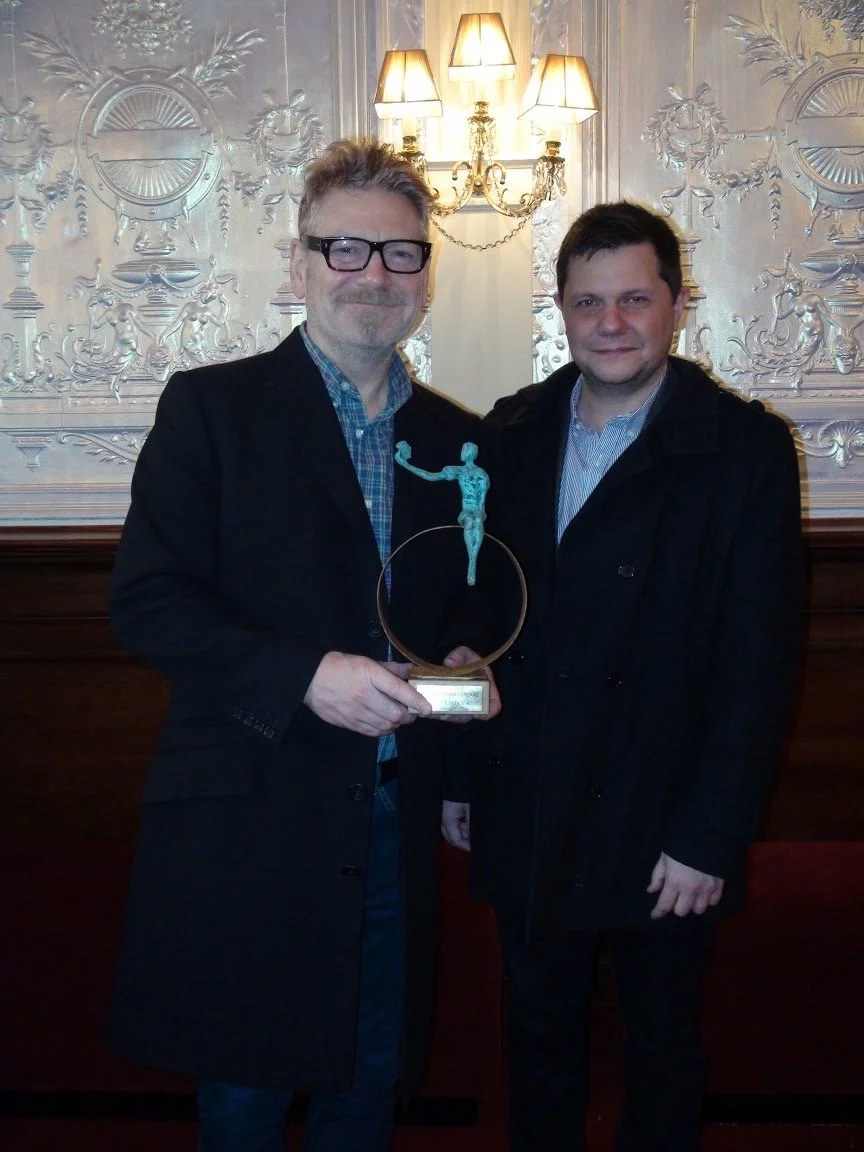
Created within the cultural programme of the Festival Shakespeare Buenos Aires, the Shakespeare Prize recognises artists, writers, scholars and institutions whose work has contributed to the continuing interpretation and presence of Shakespeare in contemporary culture.
Recipients and figures associated with the initiative have included Judi Dench, Kenneth Branagh, Peter Brook, Tom Stoppard and Harold Bloom.
The Prize reflects an understanding of Shakespeare not as a fixed cultural monument, but as a body of work continually reconsidered through performance, literature, scholarship and new generations of artists and audiences.
SELECTED FESTIVALS & PUBLIC PROGRAMMES
Alongside these projects, Orozco has created and directed festivals and cultural initiatives exploring theatre, literature, humour, history and public participation.
These include the Festival Beckett Buenos Aires, dedicated to the work and legacy of Samuel Beckett; the Festival del Humor, bringing together performance and comedy; Aldea Medieval, an immersive public programme inspired by medieval history and culture; and Festival Shakespeare Uruguay, extending this approach to cultural programming beyond Argentina.
Across these initiatives, the emphasis has remained on creating encounters between artists, ideas, places and audiences — developing cultural experiences that can respond to their surroundings while opening new possibilities for participation, education and exchange.